

PANEL WORK • CHARGER RECOMMISSIONING
EV CHARGING AFTER AN ELECTRICAL PANEL REPLACEMENT: RECOMMISSION THE SETUP
A new panel is not the end of the EV charging scope. Confirm the circuit, settings, labels, network status and final charging test before normal use resumes.
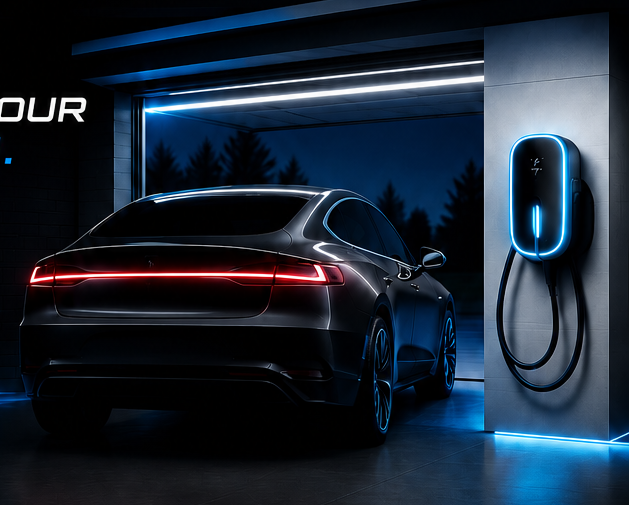
An electrical panel replacement or service upgrade can affect more than the label on the breaker directory. The EV charging circuit may be moved, reterminated, resized or temporarily disconnected. Before normal charging resumes, the installer and charger owner should confirm that the equipment, circuit information and configured charging current still agree.
Include the charger when discussing electrical installation services, and use the installation process to organize the site review, scope and closeout.
Include the charger in the project scope
Tell the electrical contractor about the charger before panel work begins. Provide the equipment model, manufacturer instructions, circuit rating and any load-management equipment. If the charger was previously commissioned by another party, do not assume all settings will survive disconnection or that the final panel directory will identify the circuit correctly.
Record the existing setup before shutdown
Photograph accessible exterior labels, the charger status screen and the breaker-directory entry without removing covers. Save the model and serial information, configured current, network name and account owner. Do not photograph or share passwords. This baseline helps distinguish an equipment issue from a change introduced during the larger electrical project.
One project needs one coordinated closeout.
Ask who is responsible for reconnecting, configuring and testing the EV charger after the panel or service work. Do not leave that responsibility implied.
Verify the branch circuit and labeling
The final installation should match the charger instructions and the approved project design. Ask the responsible electrician to confirm the breaker, conductor and equipment ratings, termination requirements and required protective devices. The panel directory should clearly identify the EV charging circuit. Locally adopted codes and permit requirements control the project; model-code summaries are not a substitute for local approval.
Check charger settings and connected features
A smart charger may need to reconnect to Wi-Fi, restore access controls, confirm a charging schedule or complete an update. The configured current must not exceed the installed circuit and equipment limits. Use the manufacturer’s commissioning and troubleshooting documentation for the exact model. Do not raise a software setting simply because the new panel has more available spaces.
Complete a controlled functional check
After the electrical work is complete and the system is safe to energize, verify normal status indications and perform the manufacturer’s documented test. Confirm the vehicle recognizes the session and that the charger reports expected operation. Stop if a breaker trips, the connector becomes unusually hot, the charger displays a recurring fault or there is burning odor, arcing, smoke, water intrusion or visible damage.
Keep a final closeout packet
Save the permit and inspection record when applicable, updated panel schedule, equipment instructions, configuration notes and final test result. Note who performed each part of the work. These records support future troubleshooting and a later charger or vehicle change.
Panel-work closeout checklist
- Updated breaker and panel-directory identification
- Confirmed charger current setting
- Restored network and access settings when applicable
- Normal manufacturer status indication
- Documented vehicle charging test
FAQ
Can I plug in as soon as the new panel is energized?
Only after the charging circuit and equipment have been reconnected, configured and checked by the responsible professionals under the project scope.
Does a larger panel mean the charger can be set higher?
No. Available service capacity, branch-circuit rating, charger limit and vehicle limit all matter. A panel enclosure change alone does not establish a higher safe setting.
What if the charger stays offline?
Use the current manufacturer instructions to check network and account status. If electrical symptoms or repeated faults appear, stop and arrange qualified evaluation.
Should load management be retested?
Yes, if the system relies on sensors, communication or configured limits. The responsible installer should confirm the final arrangement and document the result.
SOURCES CHECKED OCTOBER 5, 2026
U.S. Department of Energy: Home Charging · ENERGY STAR: EV Chargers · Tesla: Wall Connector Troubleshooting
PLAN THE COMPLETE INSTALLATION
Match the vehicle, equipment and electrical system.
Send the vehicle details, proposed charging location and safely taken photos of accessible electrical labels. EV Garage Install can discuss the installation scope and prepare a practical quote.