

HOME SALE • SMART CHARGER
SELLING A HOME WITH A SMART EV CHARGER: PLAN THE ACCOUNT TRANSFER
Separate the fixed electrical installation from the app account, Wi-Fi access and personal data before the buyer receives the charger.
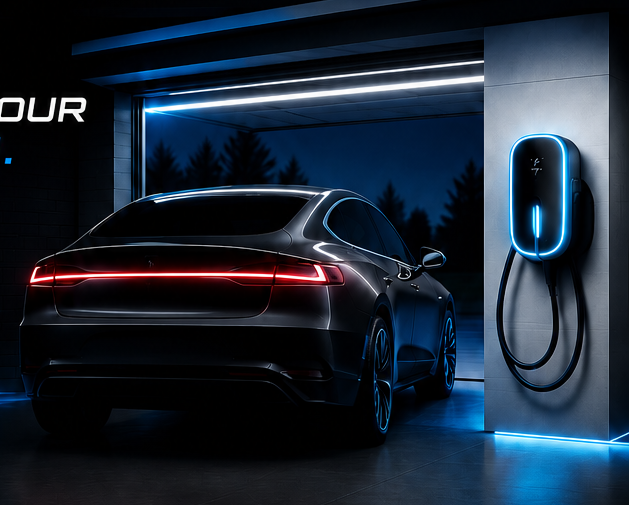
A wall-mounted EV charger can be both electrical equipment and a connected device. During a home sale, the physical installation may remain while the seller’s account, Wi-Fi credentials, charging history and vehicle permissions should not. Plan the handoff before closing so no one has to improvise around energized equipment or personal data.
Use the installation process as a guide for the property handoff, and review home charging installation services if removal, replacement or reassessment is planned.
Identify what is included in the sale
Confirm through the sale documents and the appropriate real-estate professionals whether the charger stays with the property. Do not rely on an app screenshot or casual message to define ownership. If removal is planned, arrange it through qualified professionals and agree on the required electrical and wall restoration.
Gather equipment and installation records
Save the charger make, model, serial number, installation manual and warranty information. Include the circuit identification, permit or inspection record when applicable, installer documentation and any load-management description. Keep invoices with personal payment details separate from the buyer handoff packet.
Transfer information, not credentials.
Give the buyer model information and the manufacturer’s setup path. Do not share your primary email password, Wi-Fi password or a reusable access code.
Review the manufacturer’s account process
Connected products differ. Some may support removing a device from an account, inviting another user or performing a documented reset. Use the current manufacturer instructions for the exact model. Before changing anything, note normal operating status and preserve records the buyer may need. Do not factory-reset the equipment unless the manufacturer says that is the correct transfer step.
Remove personal access and network information
Delete saved vehicles, access groups, schedules or charging data only through the supported app controls. Remove the charger from the seller’s home network if directed, and revoke third-party integrations that belong to the seller. A buyer should create their own account and network connection instead of inheriting the seller’s credentials.
Give the buyer a safe commissioning checklist
The buyer should confirm equipment condition, circuit identification and account ownership, then follow the manufacturer’s setup and testing instructions. A new vehicle may have a different connector or charging limit. The buyer should not raise the charger setting, swap breakers or modify wiring based only on the previous owner’s vehicle.
Know when an electrical review is sensible
Visible damage, missing labels, a recurring fault, unexplained breaker operation or incomplete installation records justify qualified evaluation. The buyer may also want an assessment if a different charger, vehicle or parking position is planned. Locally adopted rules and the exact equipment instructions govern any changes.
Handoff checklist
- Confirm whether the charger remains with the property
- Gather model, circuit and installation records
- Remove seller-owned accounts and integrations
- Follow the manufacturer’s supported transfer process
- Have the buyer create independent credentials
FAQ
Can I give the buyer my charger app login?
No. Use the manufacturer’s device-transfer or reset process and let the buyer create their own account.
Should I erase charging history?
Review the product’s privacy and transfer controls. Remove personal data through supported settings while preserving installation records that belong with the property.
What if the charger will be removed?
Define removal and restoration in the sale agreement, then use qualified professionals. Do not leave exposed conductors, an unidentified circuit or an open enclosure.
Does the buyer need a new permit?
Account transfer alone is different from electrical alteration. For equipment or wiring changes, confirm current local requirements for the property and proposed scope.
SOURCES CHECKED OCTOBER 5, 2026
Tesla: Wall Connector Support · ENERGY STAR: EV Chargers · U.S. Department of Energy: Home Charging
PLAN THE COMPLETE INSTALLATION
Match the vehicle, equipment and electrical system.
Send the vehicle details, proposed charging location and safely taken photos of accessible electrical labels. EV Garage Install can discuss the installation scope and prepare a practical quote.